
Introduction:
Autoflowering cannabis cultivation has received huge reputation between Canadian growers thanks to its rapid expansion cycle and comparatively problem-totally free character. Having said that, like any cultivation endeavor, it comes with its have set of problems. From pest infestations to nutrient deficiencies and environmental stressors, Canadian growers encounter several hurdles on their journey to a thriving autoflower harvest. In this complete manual, we are going to delve into these issues and give actionable methods to make certain a thriving autoflower cannabis crop.
Comprehending Autoflower Cannabis Cultivation:
Autoflowering cannabis strains are prized for their skill to transition from the vegetative phase to the flowering phase routinely, with out relying on adjustments in mild cycles. This special trait enables for faster harvests and higher adaptability in rising environments. Nonetheless, despite their strengths, autoflowers are not immune to difficulties that can impede their progress and progress.
Common Worries Confronted by Canadian Growers:
Pest Management:
Pest infestations pose a substantial danger to autoflower hashish cultivation in Canada, specifically in indoor and outside options. Prevalent pests involve spider mites, aphids, thrips, and whiteflies, which can rapidly multiply and wreak havoc on your plants.
Solution:
Employing proactive pest management strategies is vital for safeguarding your autoflower crop. This incorporates standard checking of crops for indications of infestation, introducing effective bugs like ladybugs and predatory mites, and applying organic and natural pesticides as a past resort. Also, sustaining correct airflow and cleanliness in your improve place can aid discourage pests from having keep.
my response :
Nutrient deficiencies can occur when autoflowering hashish vegetation are not receiving suitable quantities of important nutrition these as nitrogen, phosphorus, potassium, calcium, magnesium, and micronutrients like iron and zinc. Canadian growers could come upon nutrient deficiencies thanks to fluctuations in soil pH, inadequate nutrient absorption, or poor feeding schedules.
Solution:
To prevent and tackle nutrient deficiencies, it’s critical to start off with large-high-quality soil or nutrient mixes especially formulated for hashish cultivation. Often check the pH degrees of your soil or hydroponic remedy and alter as needed to preserve optimum nutrient uptake. Stick to a well balanced feeding program using organic or artificial fertilizers designed for cannabis plants, and health supplement with micronutrients if essential. Moreover, incorporating compost teas or natural and organic amendments can boost soil health and fitness and nutrient availability above time.
Environmental Stressors:
Canadian growers confront a variety of environmental stressors that can impact autoflower hashish cultivation, such as temperature fluctuations, humidity imbalances, light pollution, and inclement weather circumstances. These stressors can stunt expansion, reduce yields, and maximize the danger of sickness and pest infestations.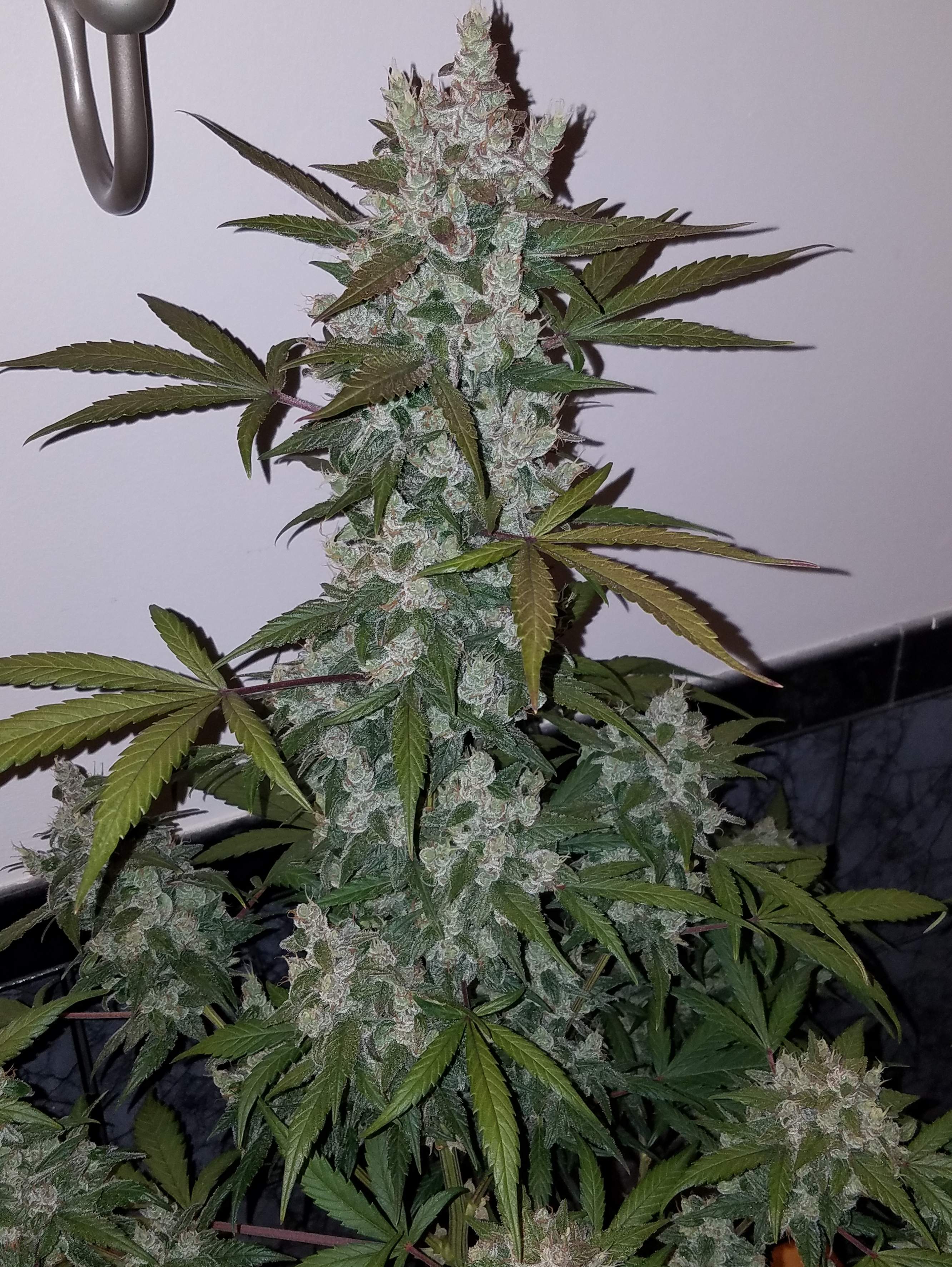
Remedy:
Making a controlled natural environment is important to minimizing the impression of environmental stressors on your autoflower crop. Indoors, make investments in climate regulate machines these types of as HVAC programs, dehumidifiers, and supplemental lighting to maintain stable temperature and humidity ranges in the course of the escalating cycle. Outdoors, look at employing greenhouse buildings or fabric pots that present some degree of protection from harsh weather conditions circumstances while continue to permitting for sufficient airflow and sunlight publicity. Moreover, employing gentle deprivation procedures can aid regulate flowering times and optimize yields, specially in areas with shorter rising seasons.
Summary:
Autoflower hashish cultivation in Canada presents its very own exclusive established of issues, from pest administration and nutrient deficiencies to environmental stressors. Nonetheless, with right scheduling, vigilance, and proactive actions, these problems can be prevail over to reach bountiful harvests of higher-quality autoflower buds. By applying the alternatives and strategies outlined in this guideline, Canadian growers can guarantee a profitable and worthwhile autoflowering cannabis cultivation expertise, no matter if indoors or outside. Happy developing!