
Introduction:
Rajasthan, the property of kings, castles, and vibrant culture, holds within the essence an abundant tapestry of cultures that have survived through centuries. Amidst its majestic castles and colorful bazaars lies a serious connection to the old practice of yoga. In this article, we get into the complicated interplay between traditional Rajasthani culture in addition to yoga, shedding lighting on their historic roots and ethnical significance, with the special focus in the burgeoning yoga exercise scene in towns like Udaipur.
read this post here of Yoga exercises in Rajasthan:
Yoga exercises, an ancient spiritual discipline that originated from India, finds the roots deeply inlayed in the ethnic fabric of Rajasthan. The state’s history is replete together with tales of asceticism, where yogis and even sadhus sought spiritual enlightenment amidst the arid landscapes and even rugged terrains. Typically the teachings of pilates, passed on through dental traditions and old scriptures like the Vedas and Upanishads, found resonance between the people regarding Rajasthan, influencing their way of existence and belief methods.
Cultural Significance associated with Yoga in Rajasthan:
Yoga in Rajasthan transcends mere physical exercise; it represents a holistic approach to well-being surrounding the mind, entire body, and spirit. Typically the practice of yoga is intricately weaved into various cultural rituals and practices observed across the particular state. From the particular rhythmic chants of mantras during strict ceremonies towards the elegant movements of people dances like Ghoomar, yoga’s influence permeates each aspect of Rajasthani culture.
The Idea of Yoga in Rajasthani Traditions:
Main to Rajasthani tradition is the philosophy involving yoga, which stresses self-discipline, self-awareness, plus spiritual liberation. Yogic principles such as ahimsa (non-violence), satya (truthfulness), and aparigraha (non-possessiveness) make up the moral compass guiding the particular lives of Rajasthanis. These values are not only espoused within the practice associated with yoga but likewise reflected in daily interactions, thus, making them a good integral part regarding the cultural tendency.
Yoga in Modern Rajasthan: The Case associated with Udaipur: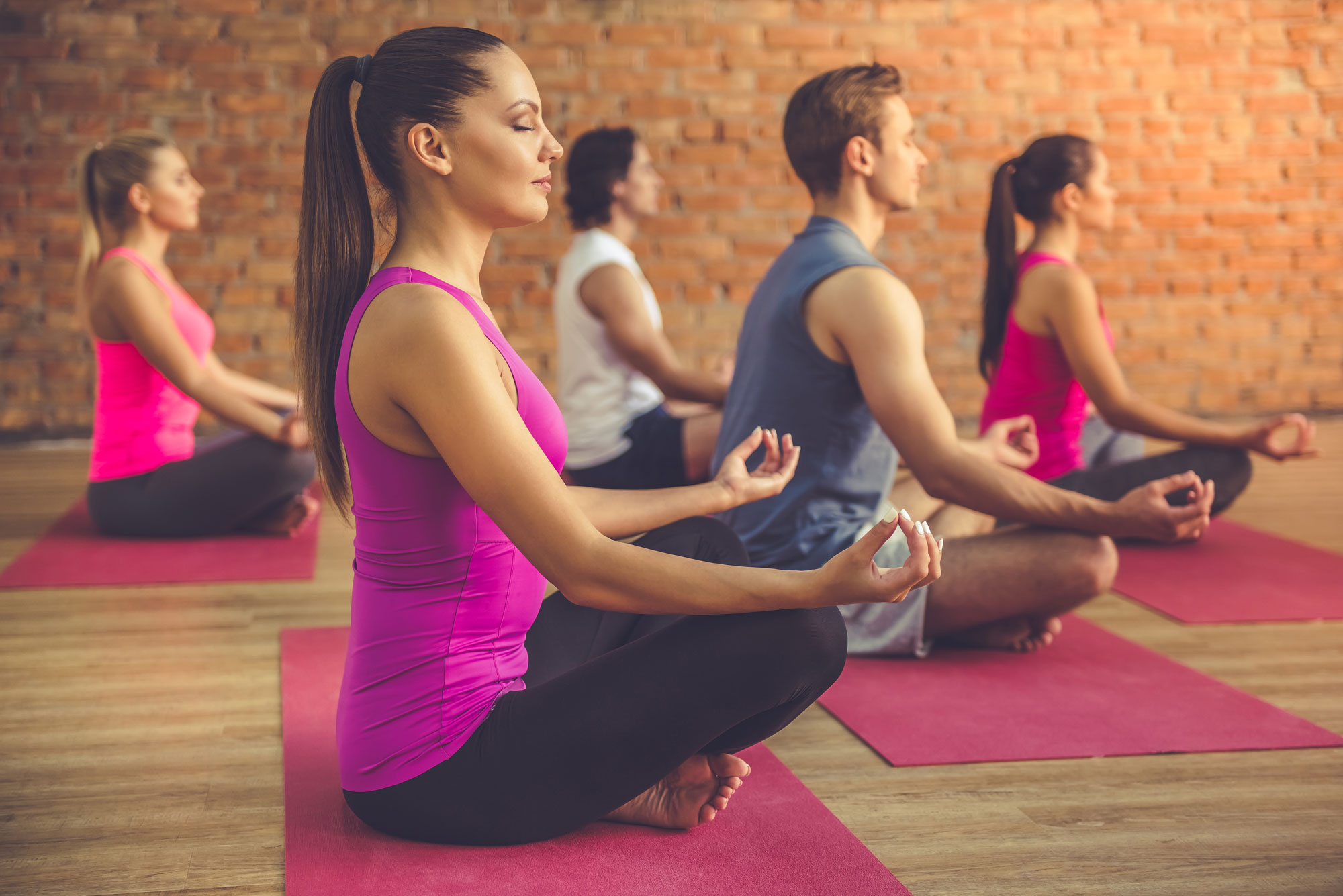
Recently, presently there has been a resurgence of interest within yoga across Rajasthan, fueled with an expanding global awareness of its health benefits in addition to spiritual dimensions. Cities like Udaipur include emerged as hubs for yoga fanatics seeking to immerse themselves in the particular timeless wisdom regarding this ancient exercise. The serene area of Udaipur, with its picturesque lakes and majestic palaces, offer an idyllic backdrop regarding yoga retreats in addition to wellness centers to thrive.
Yoga Classes in Udaipur: Bridging Tradition with Modernity:
Udaipur offers a new diverse range associated with yoga classes providing to practitioners regarding all levels, by beginners to superior yogis. These sessions draw inspiration in the rich heritage involving Rajasthani culture, developing elements of nearby music, dance, in addition to art into their particular sessions. Whether it’s exercising asanas (postures) at sunrise overlooking the tranquil waters of Lake Pichola or delving into the particular philosophy of pilates amidst the grandeur of City Palace, yoga classes throughout Udaipur offer a truly immersive encounter.
The Role regarding Yoga in Preserving Rajasthani Heritage:
Further than its mental and physical rewards, yoga plays a new pivotal role in preserving and endorsing Rajasthani heritage. By simply embracing yoga while a tool for cultural preservation, neighborhoods in Rajasthan will be rediscovering their beginnings and reclaiming their identity in a rapidly changing planet. Through initiatives like as heritage walks combined with yoga exercises sessions and ethnic festivals celebrating the symbiotic relationship involving yoga and Rajasthani traditions, efforts are usually underway to guarantee that the musical legacy of both endures for generations in the future.
Conclusion:
The intersection of traditional Rajasthani culture and pilates serves as a display of the timeless perception and resilience associated with both. As Rajasthan embraces the old practice of yoga in its modern day manifestations, it not necessarily only enriches their cultural heritage although also fosters a new deeper connection to its roots. Inside the bustling streets of Udaipur plus beyond, the echoes of chants plus the whispers regarding ancient wisdom remind us of the profound harmony of which exists between mind, body, and spirit—a harmony that goes beyond time and space, holding us to each of our shared humanity